Award-winning Creative Writer · Producer · Editor · Director.
In November 2025 I initiated and now lead the Central Video team at St. Joseph Communications.
Three shooter/editors report to me, and I shoot and cut alongside them. I designed and own the technical workflow, project management and media management that let the group operate as one team.
Within the first six months the team had directly enabled or supported over $1M in revenue.
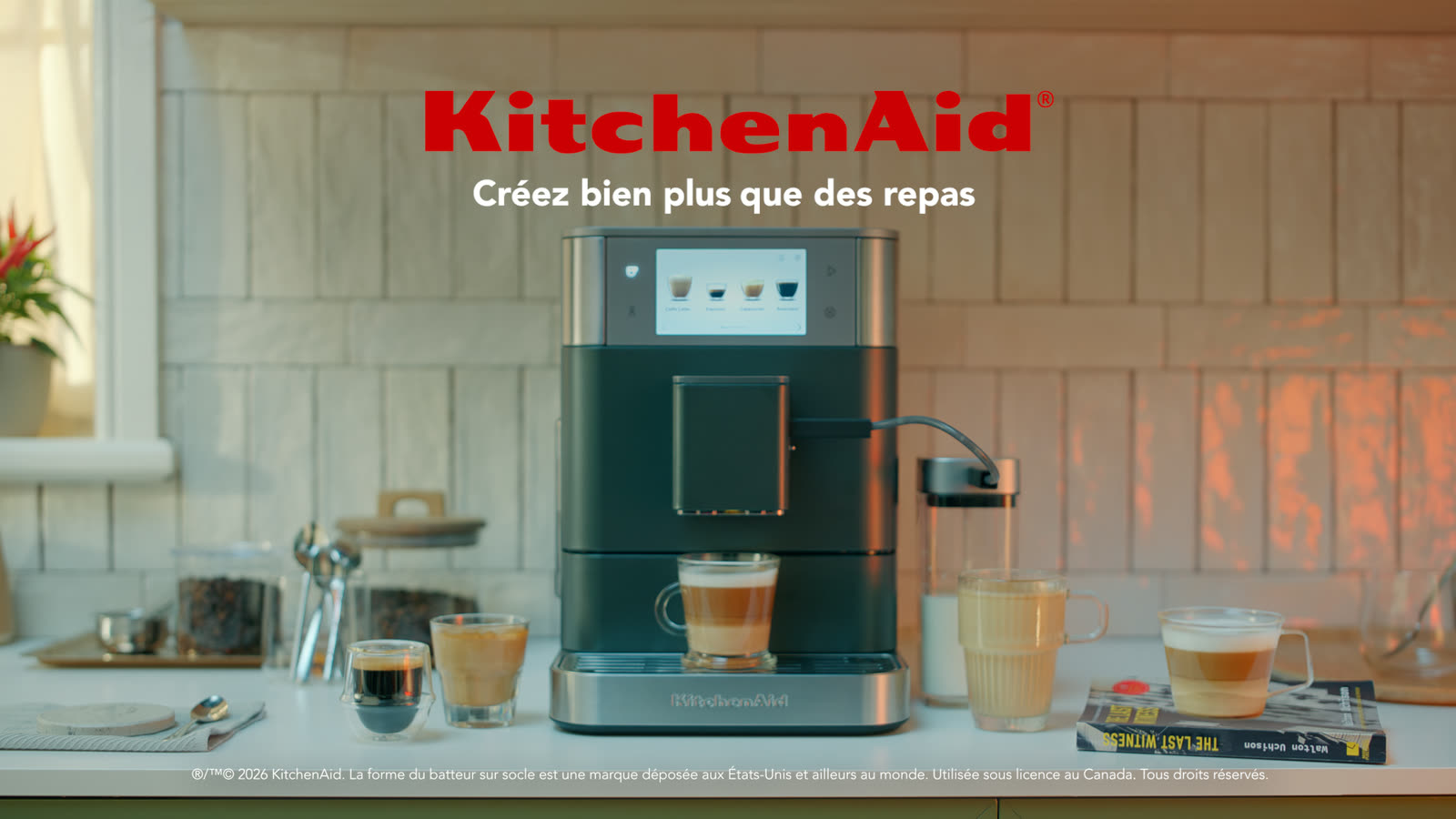
The screens running live in the room — a three-screen wall behind the main stage. The same artwork cut for that wall, for elevator screens, and for broadcast sits in CH.03.
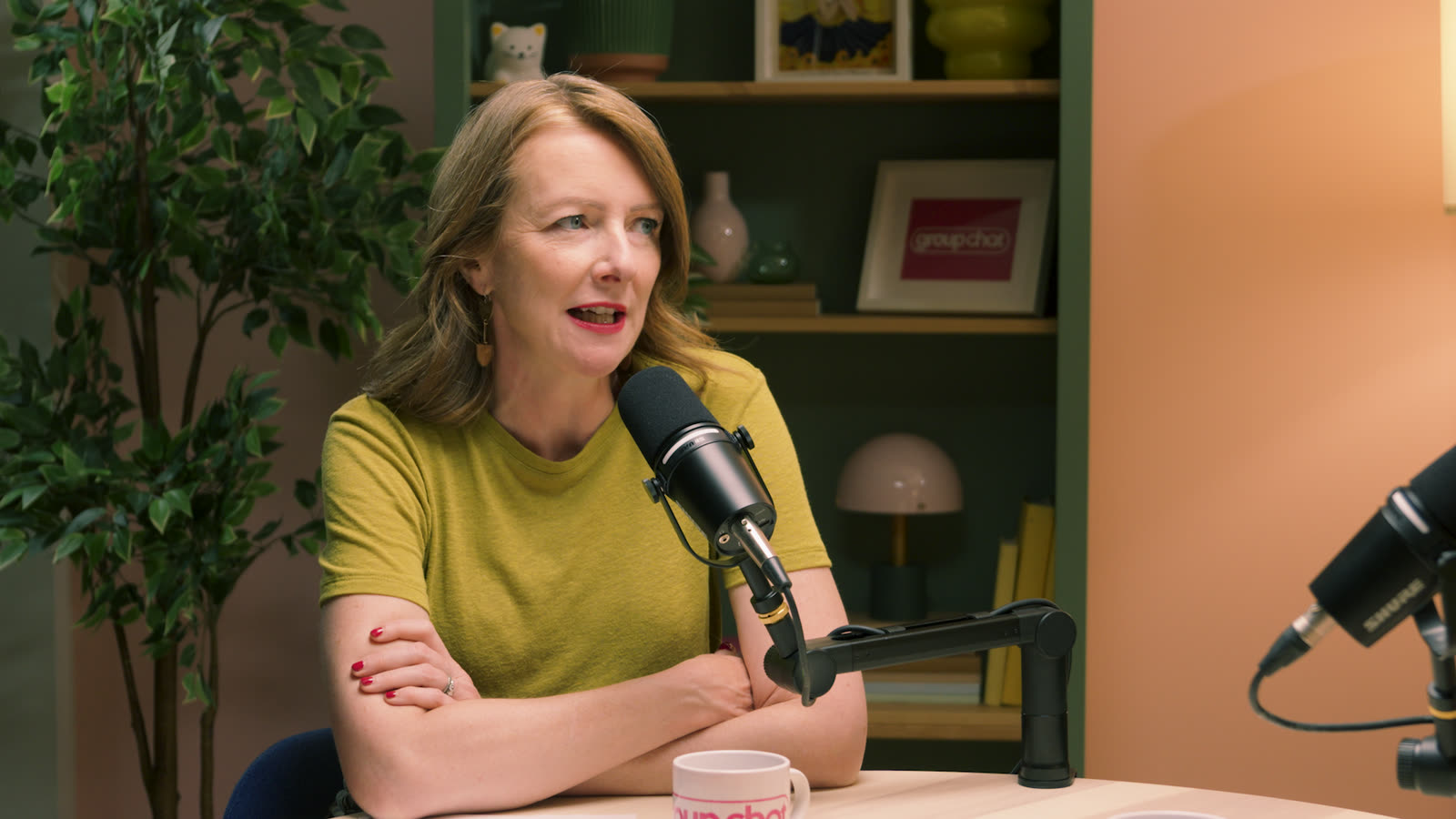
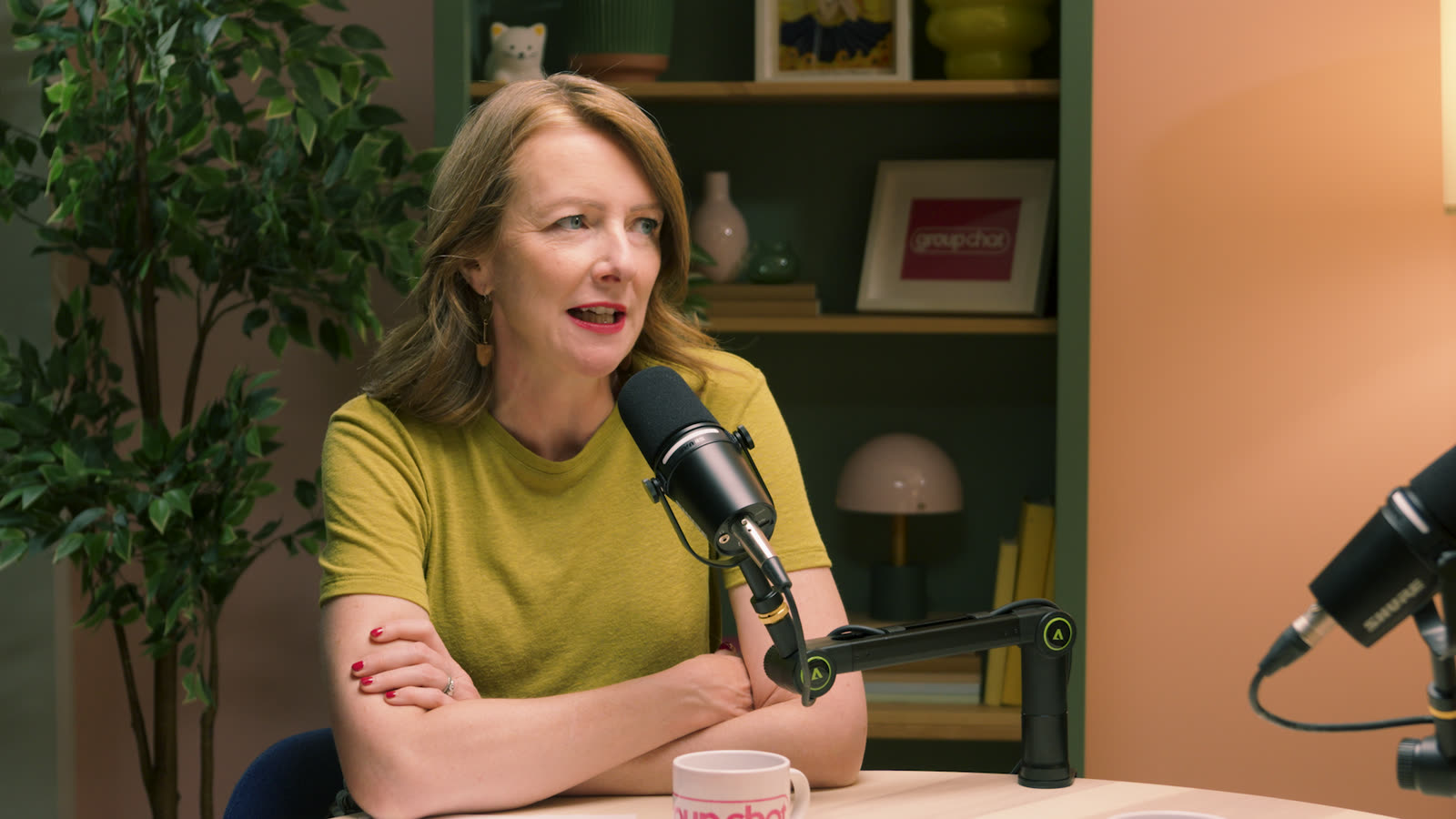
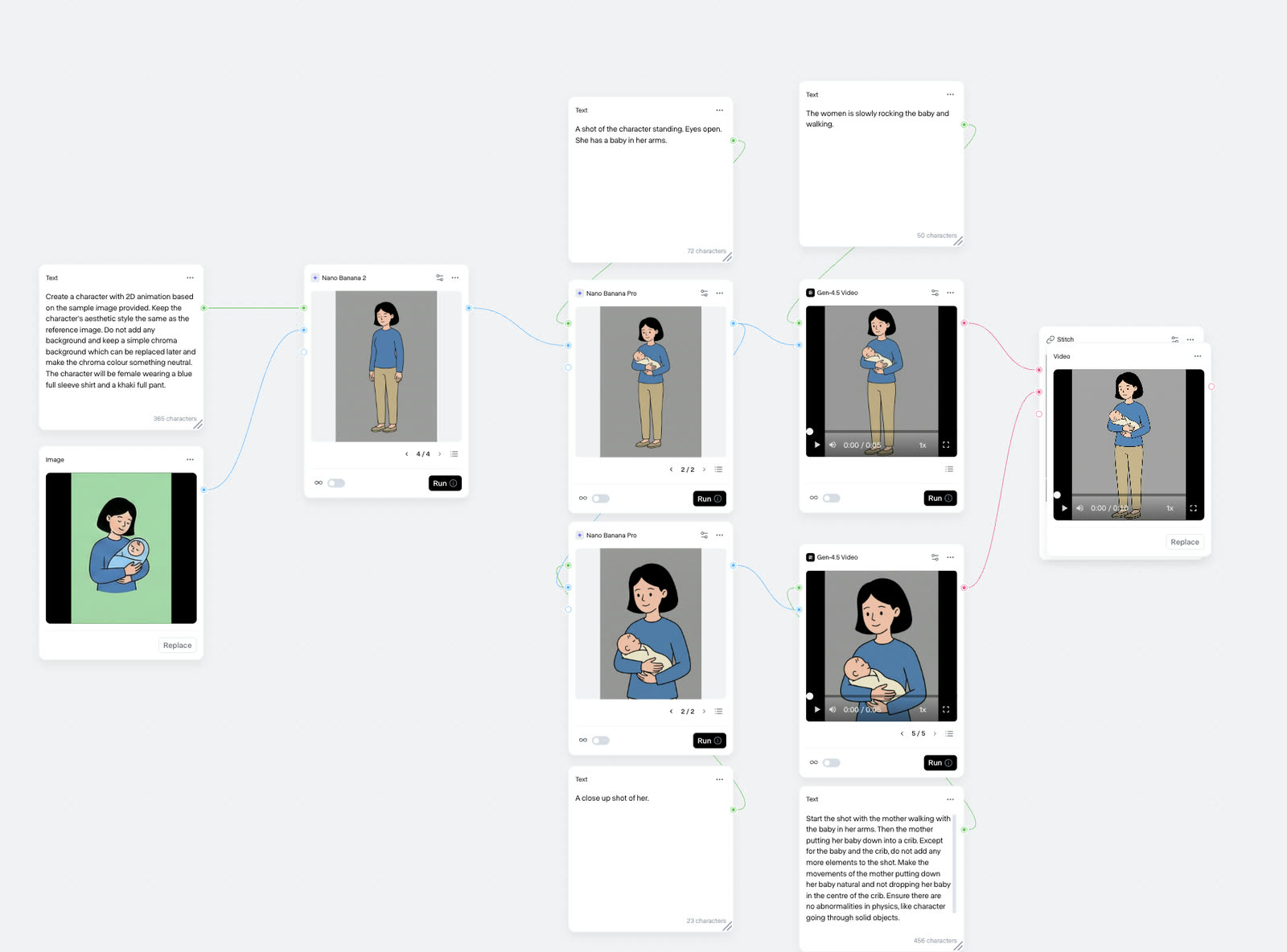
The long-form interview the short cuts are pulled from. The transcript-to-rough-cut process behind those cuts is Case 03 in CH.03.
"I want to use the tools we didn't have yesterday to solve the problems we couldn't solve yesterday."
me
Painted
Original


Spatially aligned media, on almost any real-world surface.
Point a phone at something physical — a transit shelter, in-store signage, print, an endcap — and tracked media plays on it. The surface never changes. What someone standing in front of it sees does.
Point a phone at the TTC shelter ad. Tracking frames the ad. The CP24 helicopter flies out into the street and returns to the ad.
Same pattern works on any static surface — bus shelters, in-store signage, print, endcaps.

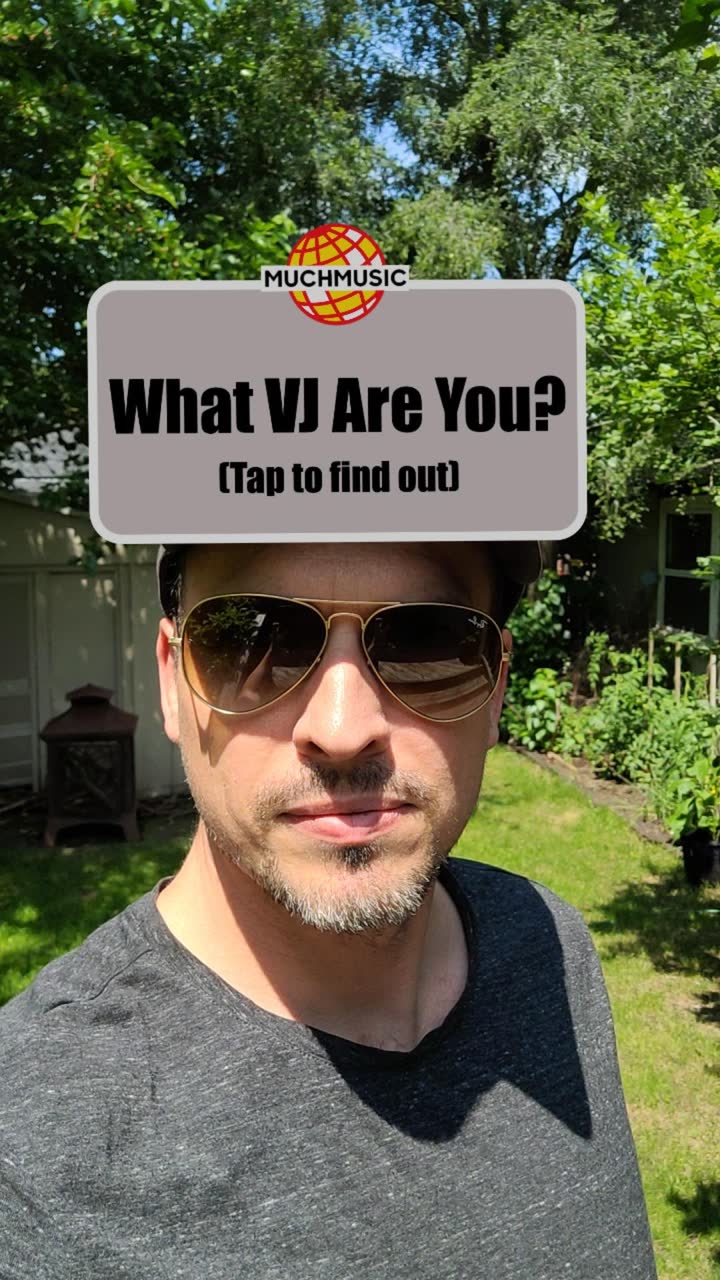
Tap and it spins through the VJ roster, landing on one. The card stays pinned to the wearer's head as they move.
Instagram, built in Spark AR — Meta's platform, since retired.


The pack and badge are registered to the body, so they hold as the wearer moves — the two frames are the same lens a few seconds apart.
Instagram, built in Spark AR — Meta's platform, since retired.
Two tools that removed a subscription and a bottleneck.
Gives the video team an owned caption workflow instead of another SaaS dependency. Transcription runs locally through Whisper — no upload bottleneck and no per-minute API bill.
Lets anyone on any team effortlessly turn a PDF into a 3D magazine-style flip-through. Drop the file in, get a page-curling issue back.
It doesn't get much higher stakes than a person's wellbeing. It doesn't get more controversial than someone genuinely connecting with AI.
Innermap builds Affi, an AI companion grounded in Emotion-Focused Therapy. The premise is that most people aren't short of coping strategies — they're short of a clear view of the patterns underneath. Affi works on what's underneath, and maps it as it goes.
Doing AI right. Doing AI safely. That's what Innermap is built around, and what I've been responsible for turning into product and engineering solutions as CTO.
I lead product, engineering and evals. Clinical direction sits with registered psychologists. Nothing user-facing ships without clearing the evaluation pipeline.
Everything user-facing passes through the evaluation pipeline before it ships. See CH.07.
When AI arrived I asked what the most valuable skill would be, now that so much of the work could be done faster than we could do it ourselves. I didn't have an answer then. Three years on, I'm confident I do: testing.
Automated tests can cover the code. But what covers the murkier case — when the response coming back may one day need to talk someone back from a very dangerous edge?

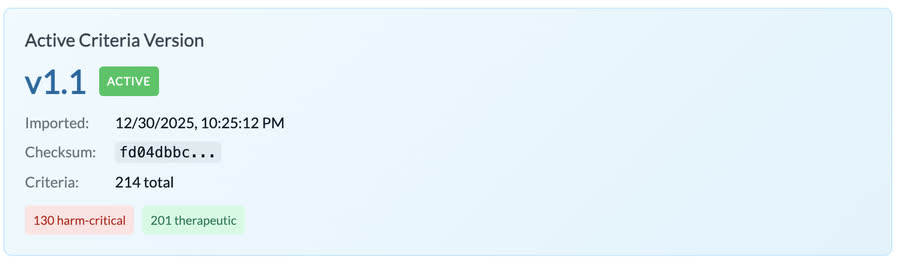
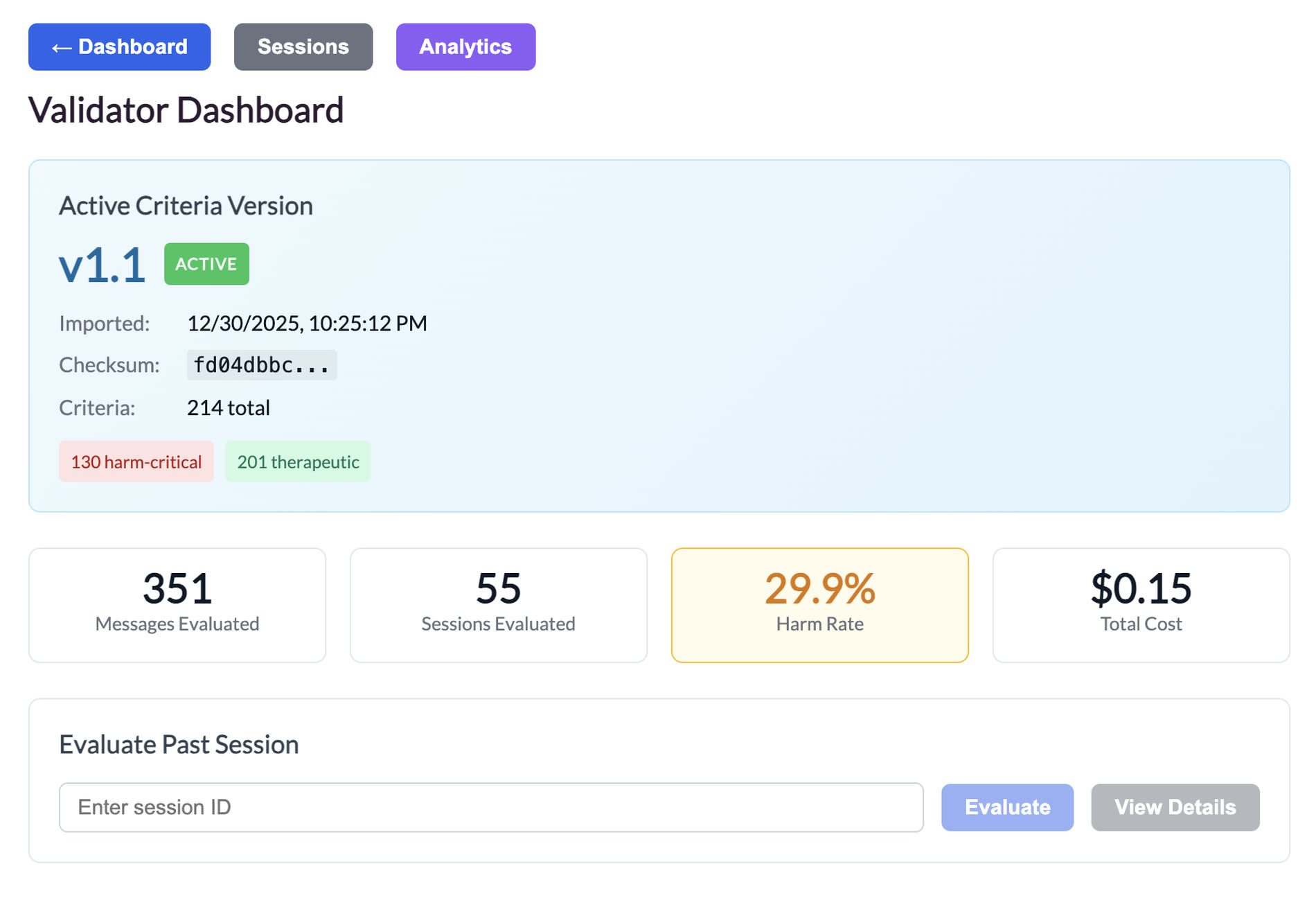
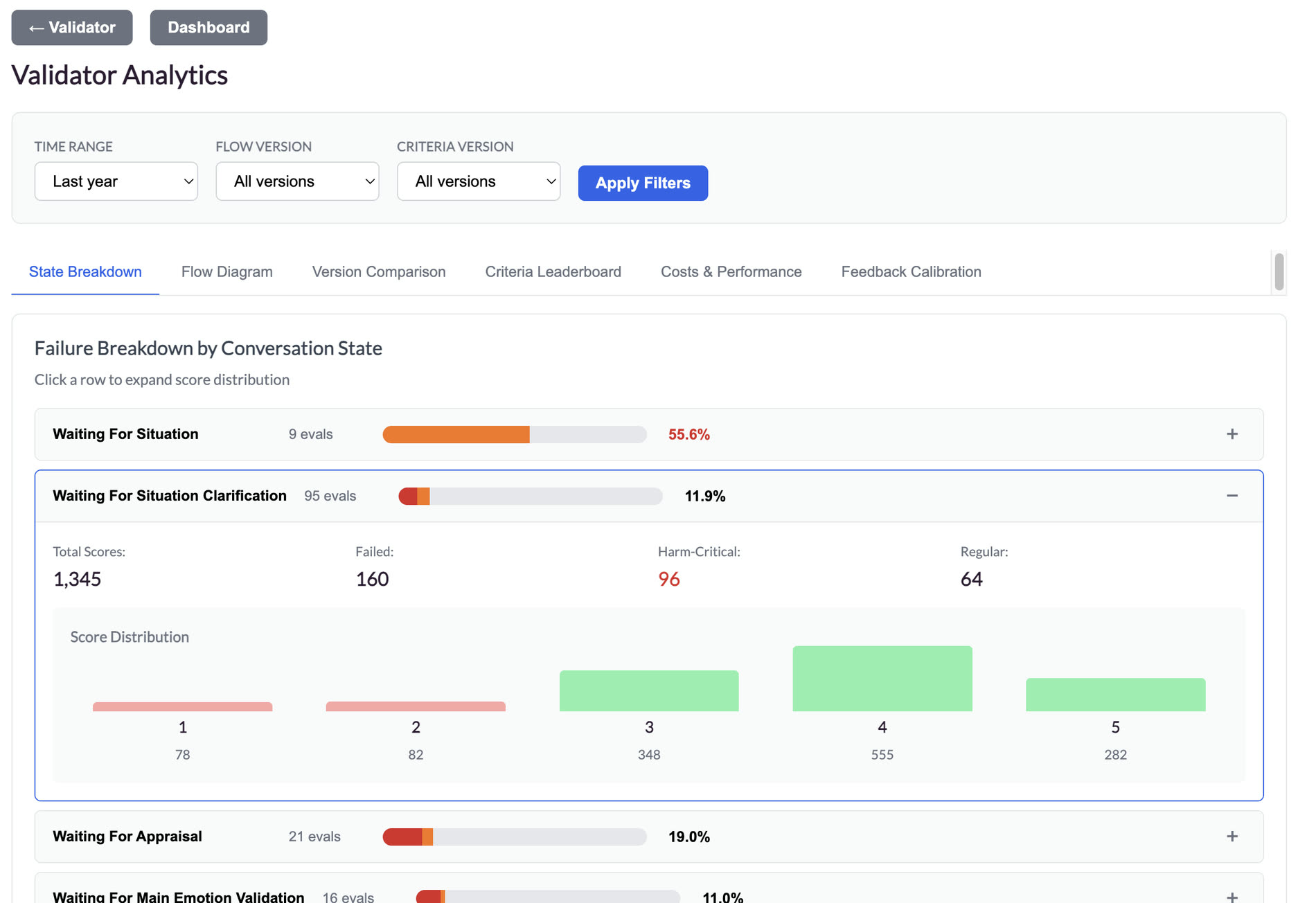
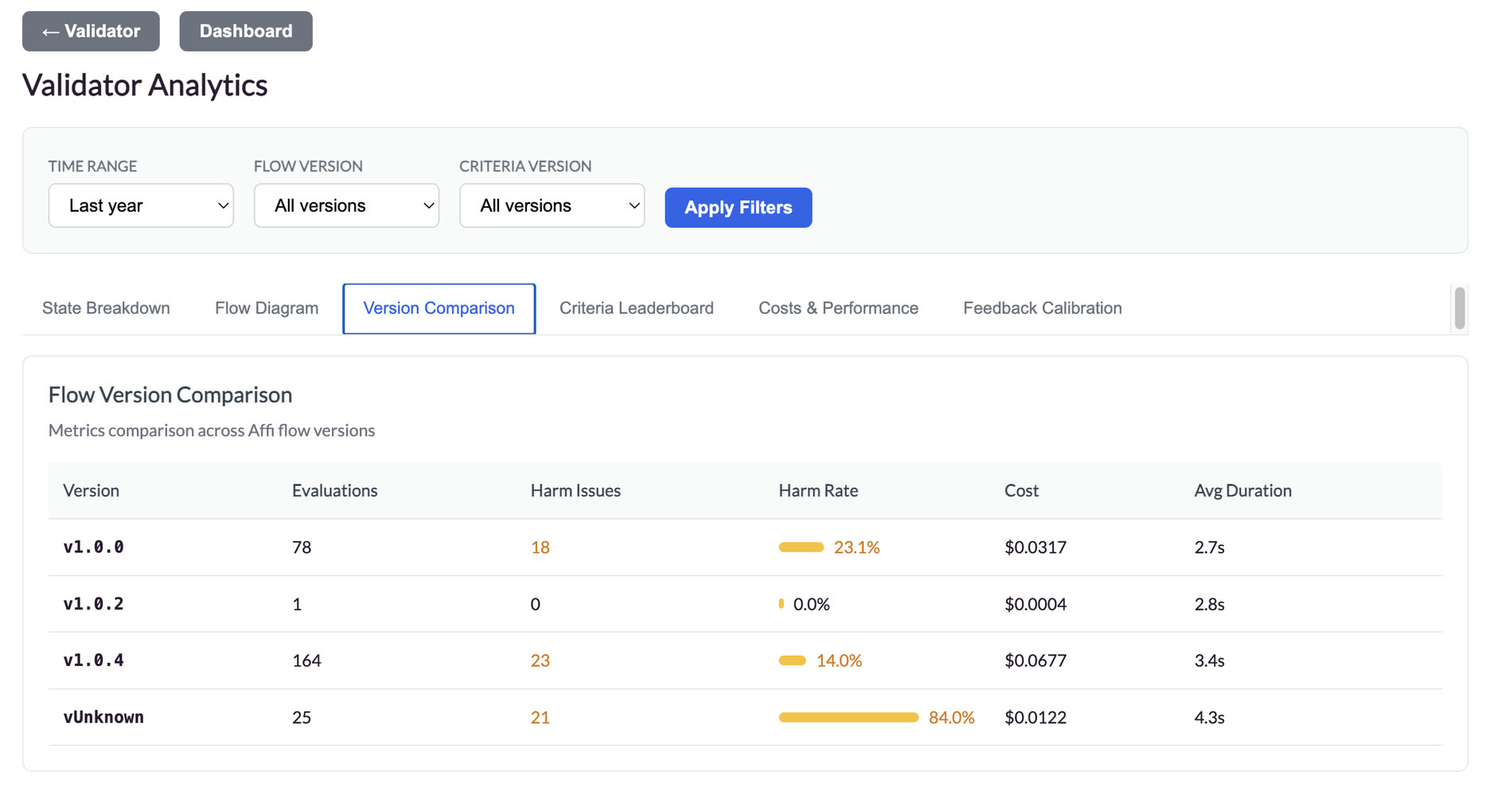
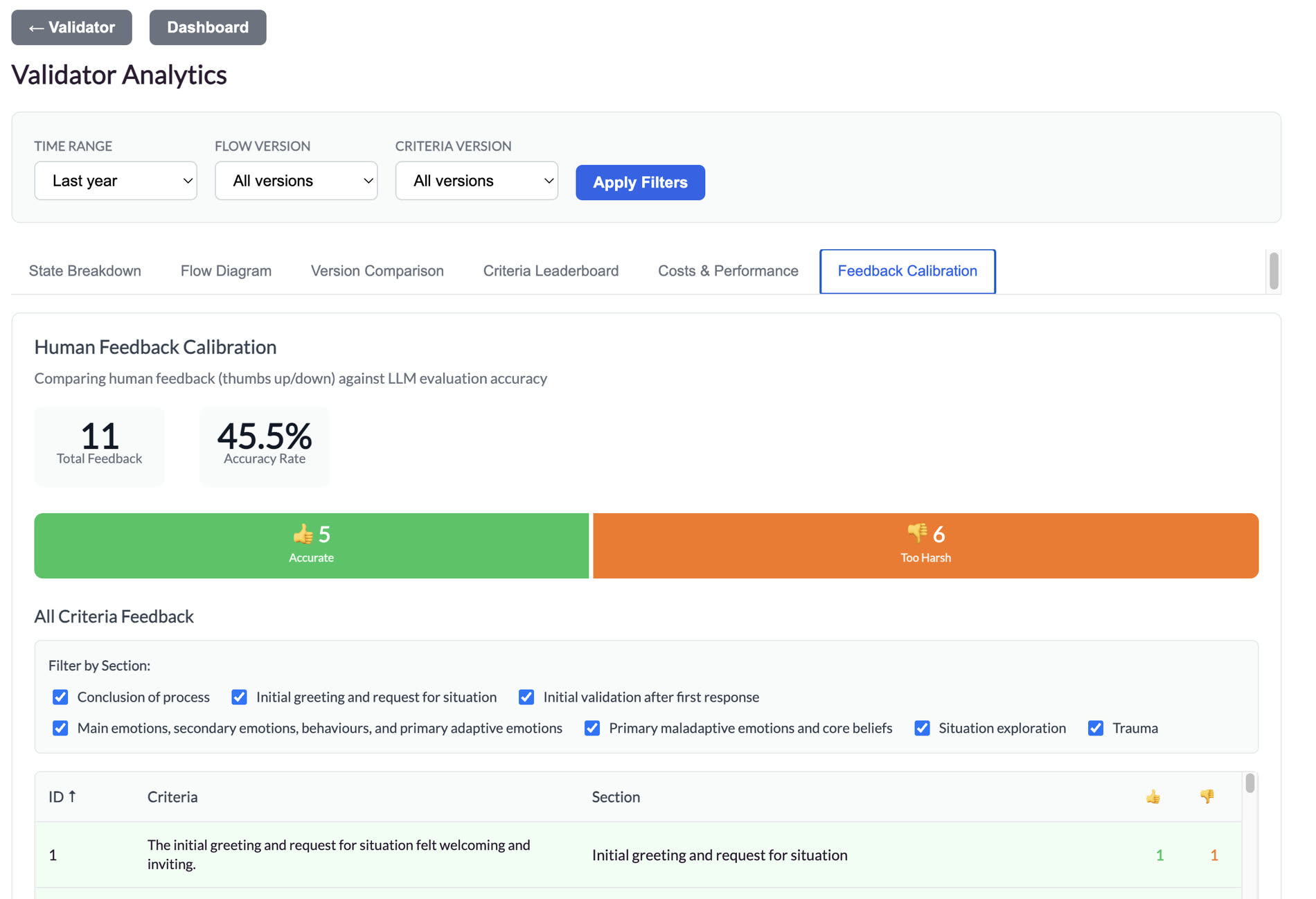
That is why I built the response validation system early. A separate LLM grades every response against a 214-metric rubric supplied by our clinical team. And because that grader will not be right at first either, human feedback is folded back in — a thumbs up or thumbs down on individual judgements.

It is far from perfect today. It is built so that with use and iteration it measurably improves, release over release.

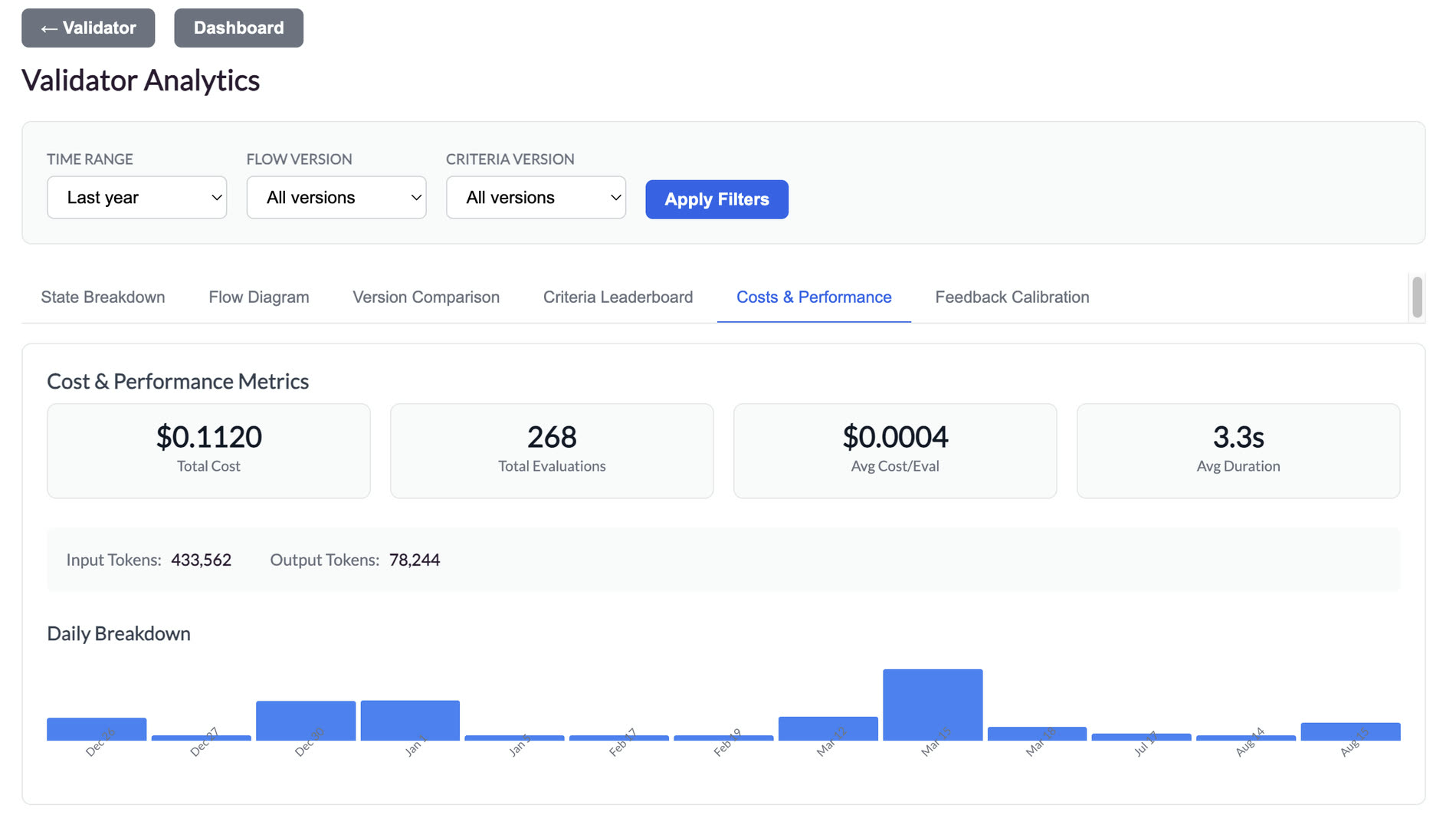
Validation runs on my local system. It deliberately does not run in production — that would mean putting protected health information in front of an evaluator, and it isn't worth it.

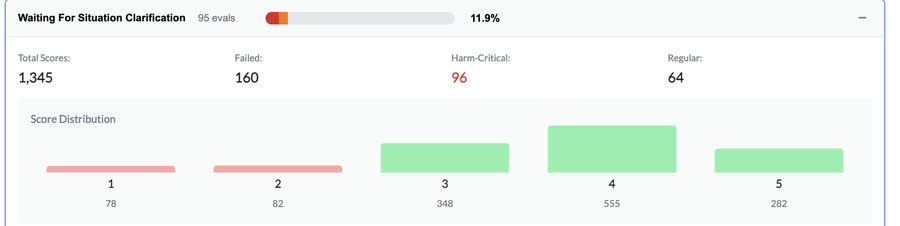
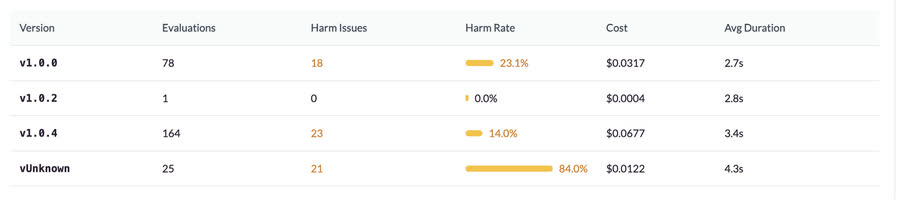
Every generated message is scored against a versioned rubric. Harm-critical is a flag raised by that rubric, not a reported incident. These runs are pre-release evaluation on my local system, not observed production traffic.
There's never been a better time to be a Creative Technologist.
The tools will surely keep changing. The mediums seem to multiply every day.
Creativity will leverage AI. AI will enable innovation.
But the spark of authentic human imagination will never be replaced.
Players joined an open Minecraft server and changed the lights on an actual tree. A webcam streamed it around the clock, so everyone could watch each other's colour changes land in the real world. Afterwards I wrote a four-part build tutorial so other people could make one.
Read the original thread ↗